Reviewing Bouquet Elegance Watercolor for Embroidery
As a designer who has spent years navigating the gap between digital art and physical thread, I approach every new machine embroidery design with a critical eye. The screen can be deceiving; what looks like a delicate masterpiece in a preview often translates into a muddy mess on fabric if the stitch density isn't right or if the design lacks structural integrity. When I first opened Bouquet Elegance Watercolor, my immediate reaction was to assess whether this Illustrations category piece could survive the transition from pixel to stitch. My goal is always to determine if a design will hold up under the scrutiny of a customer holding a finished product, especially when that product represents their small business brand or a cherished personalized gift.
The First Impression: Mood and Visual Personality
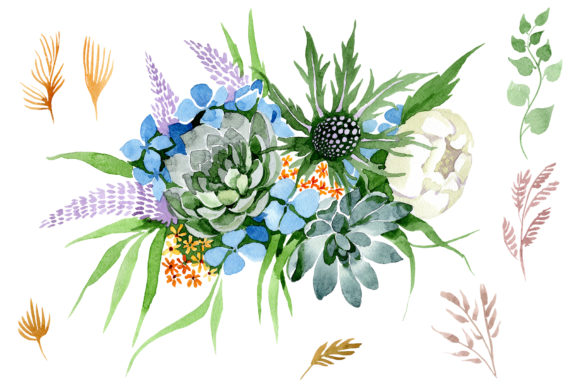
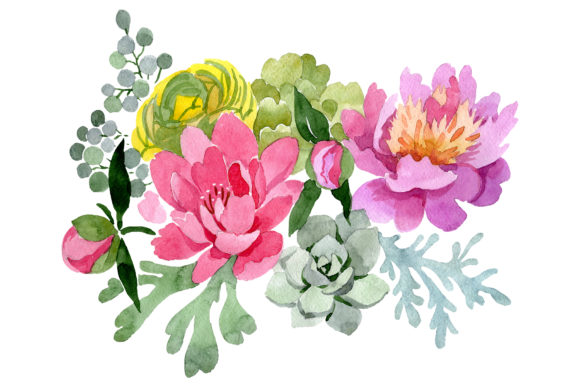
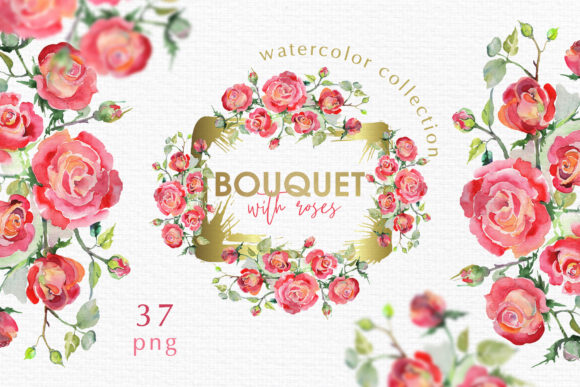
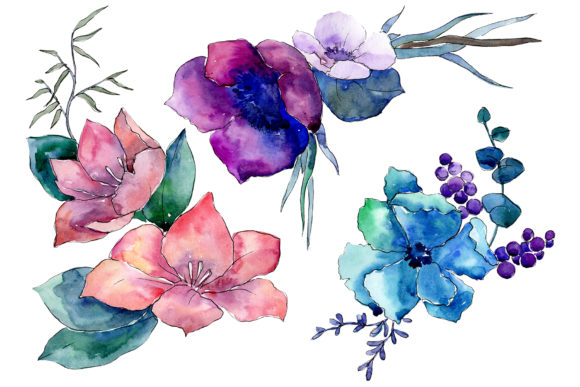
Bouquet Elegance Watercolor exudes a soft, romantic aesthetic that immediately suggests high-end home decor or boutique apparel. The watercolor style is inherently challenging for embroidery because it relies on gradients and soft edges rather than hard lines. In many digital files, this results in overly dense fill stitches that stiffen the fabric. However, upon closer inspection of the layout, the design seems to utilize a clever mix of running stitch outlines and varied fill stitch directions to mimic the bleed of watercolor paint. This visual personality feels perfect for projects where a gentle, artistic touch is required, such as a nursery wall hanging, a wedding guest book cover, or a premium tote bag design intended for an Etsy shop.
The shape of the bouquet is balanced but organic, avoiding the rigid symmetry that often plagues lower-quality clipart. For a craft business owner, this natural flow is essential. It allows the embroidery to look handcrafted even when produced by a machine. If you are planning to use this for custom apparel, the asymmetry helps it blend seamlessly into curved areas like the chest of a sweatshirt or the corner of a pillow cover without looking forced.
Real-World Application: From Hoop to Handmade Product
To truly understand the value of Bouquet Elegance Watercolor, I imagined a specific scenario: preparing a line of embroidered aprons for a local kitchenware boutique. The target audience here values aesthetics and durability. In this context, the design needs to pop against a linen background without overwhelming the garment. I visualized stitching this design using a palette of pastel thread colors to match the watercolor theme. The result would likely be a sophisticated handmade product that commands a higher price point due to its perceived artistry.
I also considered how this file would perform on a baby item, perhaps a onesie or a receiving blanket. Baby embroidery requires extreme care regarding texture; parents want softness. If the stitch density of the design is too high, the back of the embroidery might feel scratchy. Assuming the file is well-constructed, the softer nature of the watercolor effect should translate to a lighter stitch count compared to solid block designs, making it safer for sensitive skin. Furthermore, for a holiday embroidery project, this design could serve as a beautiful accent on a tea towel or a holiday card embellishment, offering a fresh alternative to traditional red and green motifs.
For the Etsy seller or small shop product creator, the versatility of this design is key. It works well as a standalone focal point on a canvas tote bag or as a subtle detail on the cuff of a shirt. The ability to scale the design without losing clarity is crucial. If you plan to sell these as commercial embroidery items, the design must look professional at both large and medium sizes. A tote bag design featuring this motif could easily become a bestseller if paired with the right fabric and stabilizer, appealing to customers who love botanical and artistic themes.
Navigating Fabric Challenges and Technical Limitations
While Bouquet Elegance Watercolor is promising, there are specific situations where caution is required. Watercolor effects rely heavily on the interplay of light and shadow, which can be difficult to achieve on dark fabrics. If you attempt to embroider this on black cotton or navy denim, you may need to add a significant amount of underlay or consider using an applique design technique to create a white backing for the flowers to stand out. Without proper contrast, the delicate details could get lost, diminishing the visual appeal and the perceived value of the finished product.
Texture is another major factor. On highly textured fabrics like waffle weave or thick wool, the fine details of the watercolor petals might not register clearly. The thread colors need to contrast sharply with the fabric texture to ensure readability. Additionally, if you are working with stretchy fabric, such as jersey knit for a t-shirt, the hoop tension can distort the organic shapes of the bouquet. Using the correct stabilizer is non-negotiable here. A tear-away stabilizer might not provide enough support for the intricate fill stitches, leading to puckering that ruins the elegant look.
Curved surfaces present another challenge. While the organic shape of the bouquet is forgiving, placing this design on a cap or a curved sleeve requires careful placement. The top of the cap, for instance, is a tight curve that can compress the vertical elements of the flowers. In such cases, it is better to test the design on a scrap piece of similar fabric first to see how the hoop size affects the final drape and appearance.
Practical Designer Notes for Success
Before committing to a batch of production, I always recommend a rigorous testing phase. Here are my practical notes for anyone planning to use Bouquet Elegance Watercolor:
- Test on Scrap Fabric: Never skip this step. Stitch the design on the exact fabric you intend to use for your final product. Check for puckering, skipped stitches, and thread breaks.
- Check Thread Color Contrast: Ensure the chosen thread colors provide enough definition against the fabric background. Light pastels on white fabric might require a darker outline to define the shape.
- Review Stitch Density: Inspect the back of the test stitch. If it is too dense, the fabric will stiffen. If it is too sparse, the fabric color might show through, ruining the watercolor effect.
- Confirm Hoop Size: Verify that your machine's hoop size accommodates the full design without needing to re-hoop, which can cause misalignment.
- Inspect Small Details: Zoom in on the smallest petals and leaves. Are they stitched with enough precision? Tiny details can sometimes turn into blobs if the needle size is too large.
- Use Proper Stabilizer: For delicate fabrics, a cutaway stabilizer often provides better long-term stability than tear-away, ensuring the design survives frequent washing.
- Verify Licensing: Before selling any finished product or digital product, confirm the licensing terms of the embroidery file. Some licenses allow personal use only, while others permit commercial sales of handmade goods.
Final Verdict on Brand Consistency and Value
Ultimately, Bouquet Elegance Watercolor offers a strong opportunity for designers looking to elevate their design assets. When executed correctly, it adds a layer of sophistication that boosts customer trust and brand consistency. A well-stitched, high-quality floral design signals to the buyer that attention to detail is a priority in your shop. Whether you are creating a personalized gift for a friend or stocking inventory for a craft fair, this design has the potential to enhance the overall presentation of your work.
However, success depends entirely on execution. The beauty of the watercolor style lies in its subtlety, which demands a skilled hand behind the machine. By taking the time to test, adjust, and refine your process, you can ensure that Bouquet Elegance Watercolor becomes a staple in your portfolio rather than a missed opportunity. For the creative entrepreneur willing to put in the technical work, this design is a valuable tool for creating memorable, high-value products that stand out in a crowded market.