Stylish Chains & Leather Belts Illustrations
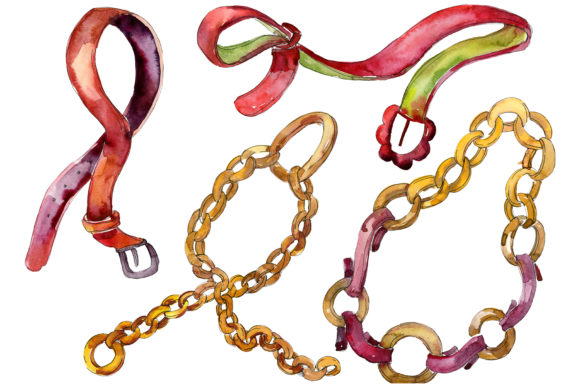
As a brand designer who has spent years refining visual identities for local businesses, I approach every new graphic design asset with a critical eye. When I first opened the file for Stylish Chains, Leather Belts Watercolor, my immediate reaction was one of intrigue mixed with caution. The juxtaposition of industrial elements like chains and leather belts rendered in a soft, organic watercolor style creates a unique tension. It is not the polished, vector-perfect look we often see in corporate branding. Instead, it feels raw, textured, and deeply human. This specific mood suggests a brand personality that values craftsmanship, durability, and a touch of vintage rebellion.
Finding the Right Brand Personality
This collection of Illustrations does not fit every business model, which is actually a compliment to its specificity. It screams "boutique" rather than "big box." Imagine a small leather goods workshop in a historic district, a high-end candle shop selling scents named after urban streets, or a modern bakery that uses rustic, artisanal packaging. The watercolor texture softens the hardness of the chains, making them feel decorative rather than restrictive. For a handmade soap business or a skincare brand focusing on natural ingredients, this asset could add an unexpected layer of depth, suggesting strength and resilience alongside gentleness. It is perfect for brands that want to appear premium yet accessible, edgy yet warm.
Practical Applications in Local Business Branding
The versatility of Stylish Chains, Leather Belts Watercolor extends far beyond a simple background image. In my recent work for a local coffee roaster, I considered using these elements to create a distinct brand identity. Here is how I envision applying these assets across various touchpoints for a real small business:
- Packaging Design and Product Labels: These illustrations work beautifully as secondary motifs on product labels. A chain motif can frame the nutritional information or wrap around the neck of a bottle, adding a tactile feel even in print. For a boutique store selling jewelry or accessories, the leather belt imagery can serve as a subtle nod to the materials used.
- Social Media Graphics and Marketing Visuals: In the crowded feed of Instagram or Pinterest, static photos often get lost. Using these watercolor elements as overlays on product photos creates a cohesive aesthetic. They can be used in social media graphics to announce new arrivals or seasonal campaigns without overpowering the main product shot.
- Promotional Materials: Think about hang tags, thank-you cards, and stickers included in customer orders. A small watercolor chain icon on a thank-you card adds a layer of thoughtfulness that elevates the unboxing experience. It signals to the customer that attention to detail is a core value of the business.
- Printable Inserts and Menus: For food businesses, these designs can act as dividers on menus or headers on price lists. The organic nature of the watercolor pairs well with handwritten fonts, creating a welcoming atmosphere for diners.
Elevating Professional Branding and Shelf Appeal
Why invest time in integrating a specific design asset like this? The answer lies in visual hierarchy and emotional connection. When a local business owner uses generic clipart, their brand blends into the noise. However, when they curate unique elements like Stylish Chains, Leather Belts Watercolor, they build a stronger first impression. Consistency is key; using these motifs across your logo design, packaging, and web design creates a unified world for your customers to inhabit.
Furthermore, professional packaging drives trust. A well-designed label suggests quality ingredients or superior craftsmanship before the customer even touches the product. These illustrations provide that extra polish needed to compete with larger competitors. They improve shelf appeal by breaking up solid blocks of color and guiding the eye toward the most important information, such as the brand name or product benefits.
Strategic Placement: Where It Shines
To maximize the impact of this asset, strategic placement is essential. The watercolor texture thrives where there is space to breathe. It works exceptionally well as a hero graphic on a website banner, setting the tone immediately upon arrival. On physical products, use it as a decorative accent on the back label or as a border element on boxes. For seasonal campaigns, these images can be recolored to match holiday palettes while retaining their structural integrity. They are also ideal for product mockups, allowing you to visualize how your final design will look before sending it to print.
When to Exercise Caution
Despite its beauty, Stylish Chains, Leather Belts Watercolor is not a universal solution. There are scenarios where this style may detract from the message. Avoid using it in formal corporate branding where a clean, minimalist aesthetic is required. The watercolor bleed might clash with the strict lines of a tech startup or a legal firm. Additionally, be careful with very small labels. The intricate details of the chains and belts may disappear if scaled down too much, resulting in a muddy appearance.
Do not place these illustrations in areas reserved for legal information or ingredient lists. The decoration should never compete with critical text. If your brand relies on a luxury minimalist identity, the busy texture of watercolor might feel out of place. Always ensure there is sufficient contrast between the illustration and the background; placing light watercolor on a white background can reduce visibility significantly.
Designer Notes for Implementation
Before committing to any commercial design project, I always follow a rigorous testing process. First, test the asset on real packaging mockups to see how the colors translate from screen to paper. Check how the design looks in black and white, as some clients may need grayscale versions for specific print runs. Preview the elements on small labels to ensure legibility and clarity.
Experiment with typography. Pair these illustrations with a bold serif font for a classic look, or a modern sans-serif for a contemporary twist. Even a script or handwritten font can complement the organic feel of the watercolor. Always inspect the file format; if you have access to SVG or vector files, you gain the ability to edit colors and scale without losing quality. If working with PNGs, ensure the transparency is clean and free of jagged edges.
Finally, confirm the commercial license. As a professional, I cannot stress this enough. Ensure you have the right to use these design assets for client work, business branding, and physical product sales. Whether you are sourcing from a creative marketplace or building a custom library, clear licensing protects your business and your clients. By thoughtfully integrating Stylish Chains, Leather Belts Watercolor into your workflow, you can transform standard marketing materials into compelling brand stories that resonate with your local audience.